


Newsweek | Hamid Yazdan Panah | 8/1/2023
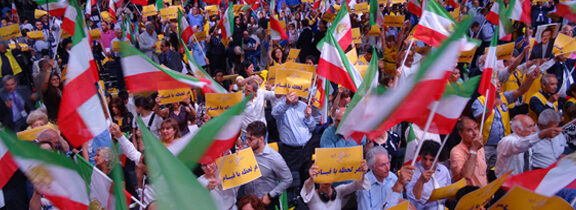
Over the last year, Iran has witnessed an eruption of resistance against the ruling theocracy. The uprising sparked by the murder of Mahsa Zhina Amini, a Kurdish-Iranian woman, has rocked the regime to its core. The proto-revolution, which is still gestating, could be the first truly feminist revolution the world has seen. It deserves not only our full support, but also protection from those who seek to undermine or usurp its potential.
This includes those who appear fixated on the past, instead of supporting Iran’s bright future. Lisa Daftari provides an example of this in her recent piece for Newsweek entitled Why Jimmy Carter Owes the Iranian People an Apology. Daftari targets former President Jimmy Carter for his policies towards the deposed shah and ends with the claim that many young Iranians have a “nostalgia” for the former monarchy and seek the return of the shah’s son, Reza Pahlavi.
Iranians have been struggling for democratic change since 1905 and have a rich history of organizing nationwide to get it. Daftari’s argument attempts to place the shah’s failures at the feet of Carter, and set the stage for a return to the monarchy as opposed to daring to dream for more.
Let us begin with some facts. The former shah, who Daftari refers to as the “legitimate ruler of Iran,” was a monarch who ruled with an iron fist. His family came to power through a military coup against the Qajar dynasty, and like most classical dictators his regime was rife with corruption, repression and decadence. During his reign he instituted one party rule in Iran, cracked down on free speech, and created the notorious SAVAK secret police force, to target dissidents.
The historical record is clear and uncontroversial, yet many are now attempting to use the heinous crimes of the Islamic Republic to whitewash the monarchy. This doesn’t stand up to scrutiny. Many of the practices that have become synonymous with the Islamic Republic, such as the airing of televised confessions of political opponents began under the SAVAK. The agency itself was largely kept intact by the Islamic Republic and simply rebranded.
Daftari would have you believe that the shah was simply supplanted by Islamists hand-picked by the West, but the shah set the stage for his own downfall. Had he been more tolerant of liberal dissent or provided room for democratic change as many in the West urged, his regime would not have been toppled.
Perhaps the most ironic historical fact that Daftari ignores in her quest for an apology is that the shah already provided one. In November 1978, the shah appeared on national television and provided a feeble apology in an attempt to maintain his rule. In his speech, he acknowledged past mistakes, and stated “I make a commitment to be with you and your revolution against corruption and injustice in Iran.”
This apology was too little and too late for the people of Iran. The masses were against him, and he was deposed in no small part by the masses. The fact that Ayatollah Ruhollah Khomeini and his Islamist thugs hijacked the aspirations of the nation does not change the shah’s record, or the legitimate democratic aspirations possessed by ordinary Iranians.
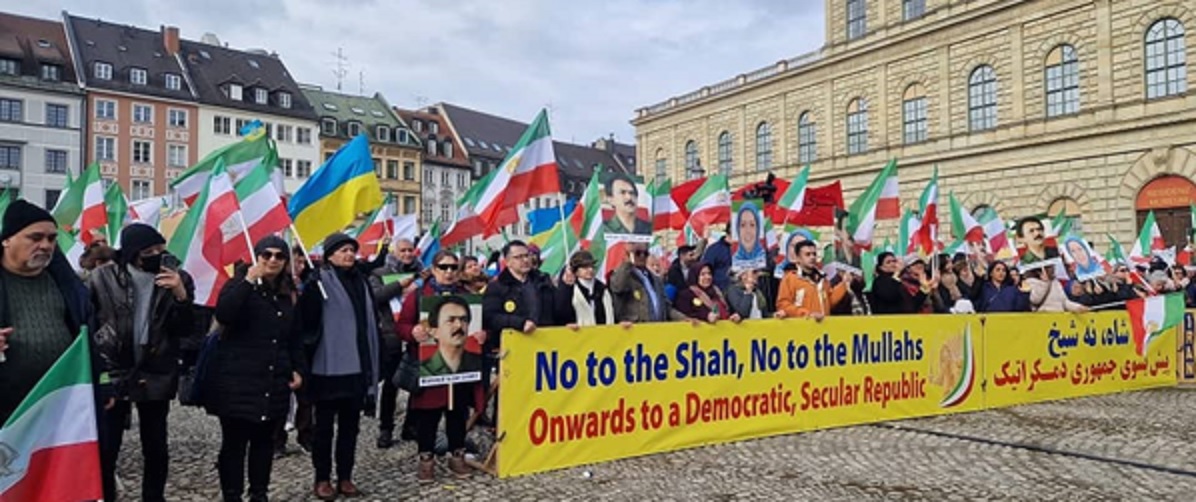
What Daftari omits from her piece is the fact that Iranians on the street have made clear in their chants that it is possible to oppose both the past dictatorships and the current Islamic Republic. One of these chants states “Neither Monarchy, nor [Supreme] Leader, [we want] Democracy and Equality.”
The idea that a feminist revolution will culminate in the leadership of the exiled Reza Pahlavi as shah is dubious if not absurd. We should recognize that just like 1978, Iranians are beyond looking for an apology from anyone. They are ready for real freedom, not overthrowing a supreme leader to reinstitute a shah. Our goal should be to ensure that they succeed.
https://www.newsweek.com/if-iranians-are-nostalgic-it-isnt-shahs-brutality-opinion-1816492?amp=1