

Iran’s Public Hangings Reflect a Regime Fearful of Renewed Unrest and Demand International Outrage
Miami Independent | Akbar Nikooie | August 18, 2026
There are some things you never get used to hearing. As an Iranian American activist, I have spent years receiving news from Iran about political prisoners, dissidents, and young people whose lives have been destroyed for daring to speak out. Yet every execution still hits with the same force. Some stories, however, cut even deeper.
I was born in Isfahan, one of Iran’s most beautiful and historic cities, a jewel of Persian culture renowned for its stunning architecture, vibrant streets, and warm-hearted people. It is a place filled with memories from my childhood and a source of immense pride. That is why the news I heard a short while ago left me devastated.
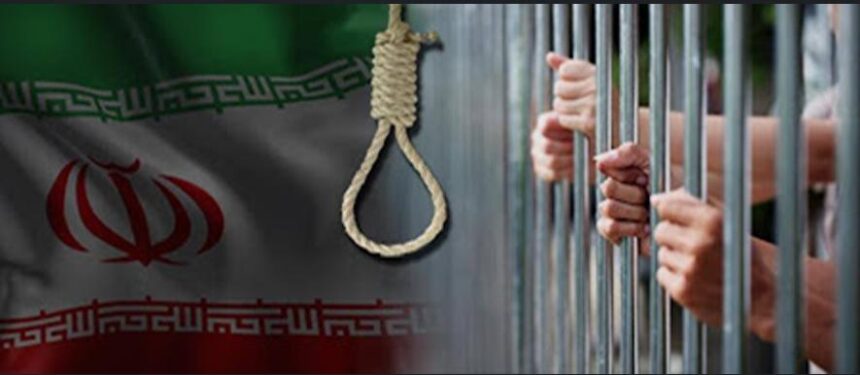
Two young Iranian dissidents, just 24 and 27 years old, were publicly hanged in Alikhani Square in Isfahan late last month. I remember the Alikhani neighborhood vividly. As a boy, I passed through its streets countless times. It was a working-class area filled with children playing in crowded alleyways. People looked out for one another. There was hardship, but there was also humanity. Learning that this familiar place had been transformed into a stage for public executions was heartbreaking. The square I remembered from my youth had become a site of intimidation and fear, where young men were executed by a regime increasingly fearful of the Iranian people’s growing demand for freedom.
The victims were the latest in a growing wave of executions targeting participants in the nationwide protests and acts of resistance that have repeatedly challenged Iran’s ruling theocracy. Around 40 dissidents have now been executed since late March, with little indication that the campaign is slowing. A significant number of those targeted have been members of the People’s Mojahedin Organization of Iran (PMOI/MEK), the principal Iranian resistance movement and the leading constituent organization of the National Council of Resistance of Iran (NCRI). The regime’s focus on the MEK is no coincidence. For decades, Tehran has regarded it as its most serious organized opposition force. That concern has only intensified after resistance networks played a key role in sustaining and organizing protests and acts of defiance that culminated in the January 2026 uprising.
The public nature of these hangings suggests a regime escalating its efforts to intimidate the population. Tehran understands that it faces a society increasingly unwilling to accept repression, corruption, and economic mismanagement. It fears another nationwide uprising, one even more consequential than the one that shook the regime to its core earlier this year.
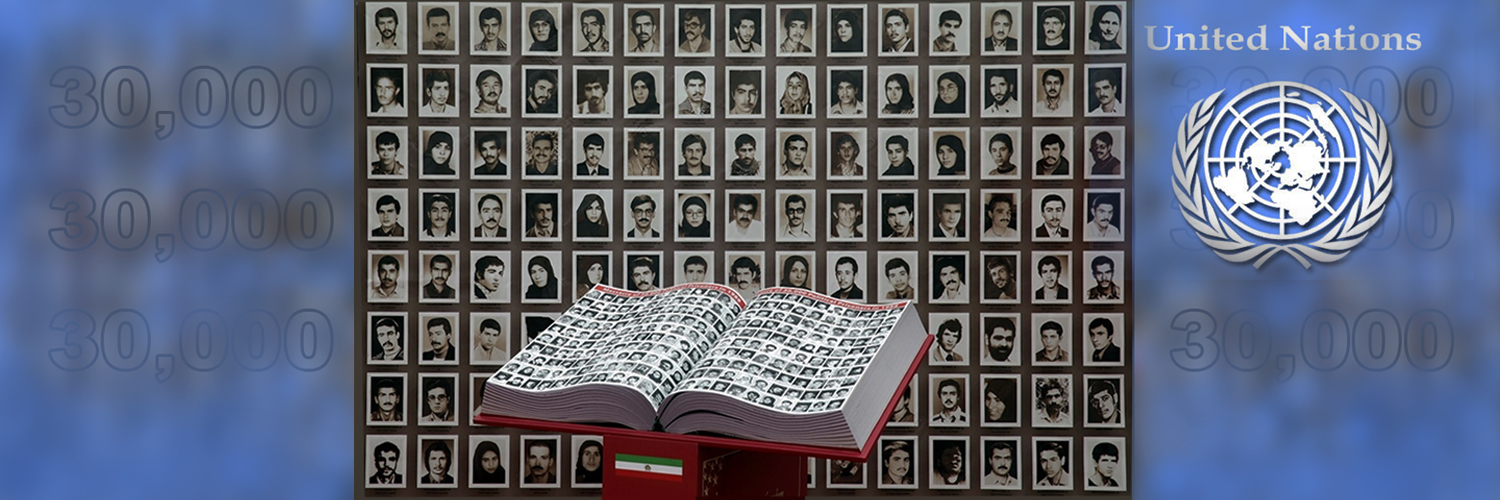
The timing of these executions is especially ominous. They come as Iranians remember one of the darkest chapters in their modern history: the 1988 massacre of political prisoners. Following the end of the Iran-Iraq war and amid fears for the regime’s survival, Ruhollah Khomeini issued a fatwa ordering the execution of political prisoners who remained loyal to the opposition, particularly MEK activists. In just a few months, an estimated 30,000 prisoners were sent to the gallows.
Yet what happened in Isfahan revealed something equally important. Despite the heavy presence of security forces, residents used the moment to voice their outrage. Witnesses reported people condemning the executions and openly criticizing the regime. Security forces reportedly responded with tear gas, underscoring the authorities’ fear of even spontaneous expressions of public anger.
The response to the executions demonstrated that the regime’s strategy of fear is failing. Rather than silencing dissent, such brutality has reinforced the determination of ordinary citizens who yearn for a different future. NCRI President-elect Maryam Rajavi captured the regime’s calculations succinctly when she said: “With this medieval public crime and the successive executions of Mojahedin youth and brave protesters, the religious dictatorship is desperately trying to prevent an explosion of popular anger and the rise of public protests. However, this only strengthens the resolve of the rebellious youths to overthrow this bloodthirsty regime.”
Mrs. Rajavi also warned that international silence and inaction only encourage further atrocities and urged urgent action to save political prisoners currently facing execution, including eight other young men sentenced to death in Isfahan. Her warning deserves serious attention. For too long, the international community has answered Tehran’s human-rights abuses with statements of concern that have failed to alter the regime’s behavior. Every execution carried out without meaningful consequences sends a dangerous message that repression can continue without cost. The people risking their lives for freedom in Iran deserve better.
History repeatedly shows that brutality cannot extinguish a people’s desire for liberty. It can delay change and impose terrible sacrifices, but it cannot erase the aspiration for a freer future. For many Iranians, the public hangings in Isfahan are not isolated events. They are part of a pattern stretching from the 1988 massacre to the present day, revealing a regime that repeatedly turns to executions whenever it feels threatened.
As someone who still carries Isfahan in his heart, I cannot stop thinking about the neighborhood where these executions took place. I think of the families who witnessed them, the residents who protested despite the risks, and the young men whose lives were cut short. Their memory should not fade into another headline. If their sacrifice is to mean anything, the world must stand with the Iranian people and the organized resistance in their struggle for freedom. The Iranian people know that the only lasting answer to repression and executions is the triumph of freedom over tyranny — and they want the world to be on their side with political support, not words.